
Commercial Cleaning
What should a commercial cleaning quote include?
A practical guide for Eastbourne and East Sussex organisations comparing recurring commercial cleaning quotes, specifications and site proposals.
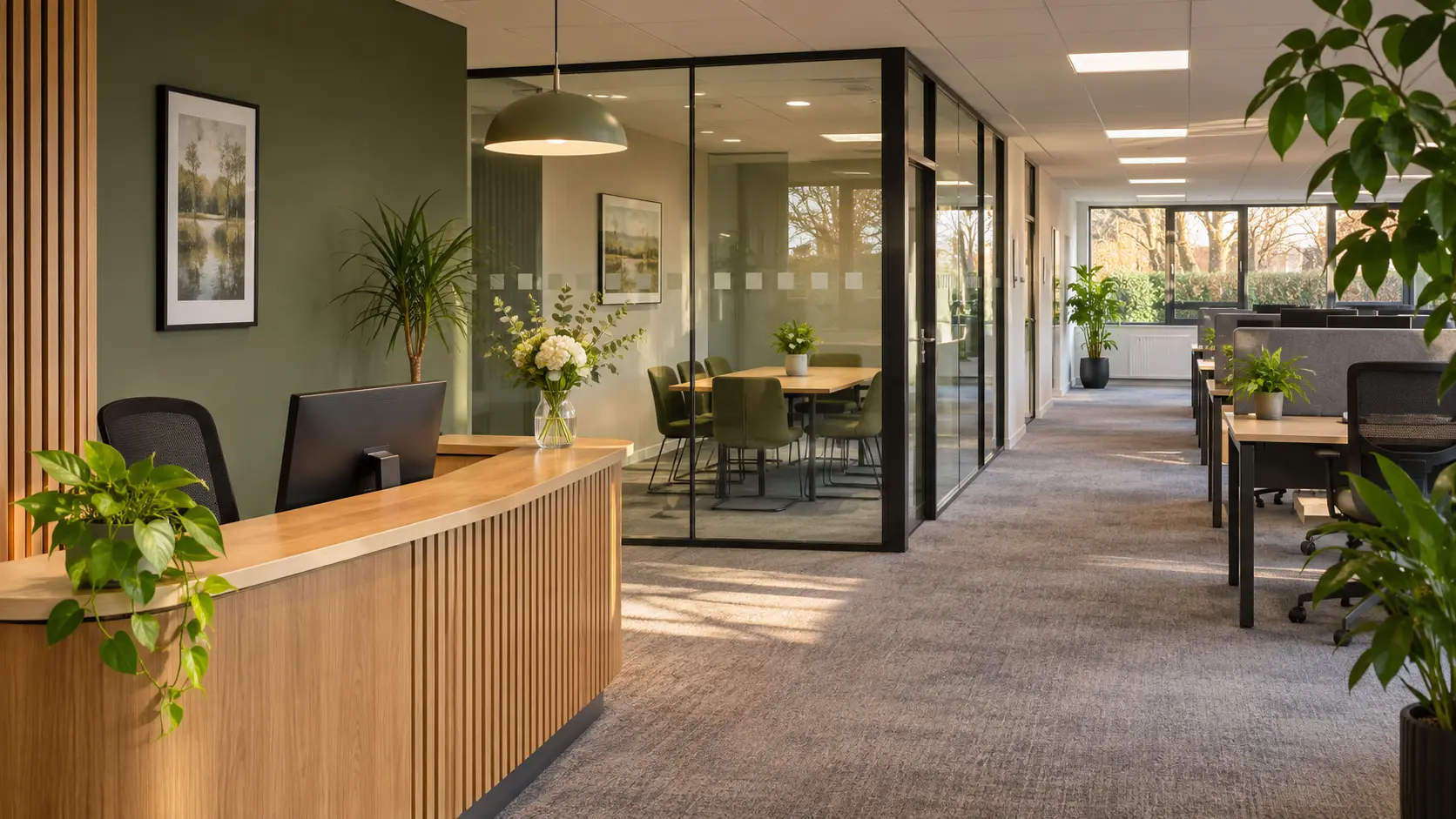
A commercial cleaning quote should let you picture the service before it begins. You should be able to see which rooms and tasks are included, how frequently they will be completed, what access the cleaner needs and what happens when the building or requirement changes.
That matters when you are comparing recurring commercial cleaning in Eastbourne or elsewhere in East Sussex. Two proposals can show a similar total while describing quite different standards of work. The most useful comparison is therefore not price against price; it is scope against scope.
Start with the premises, not a generic package
A quotation is stronger when it is based on the way the premises are actually used. A small office with a busy reception and shared kitchen may need a different pattern from a managed building with several entrances, landings and bin areas. Opening hours, visitor numbers, floor finishes, washrooms and access arrangements all affect the sensible scope.
A site visit is often the clearest way to establish those details. Where an initial conversation or photographs are used first, the proposal should still state what information it is based on and identify anything that needs confirming. That keeps assumptions visible instead of allowing them to become disagreements later.
Before requesting proposals, nominate one person who can explain the premises, priorities and any restrictions. Give each provider the same information so the resulting quotes are genuinely comparable.
Look for a room-by-room cleaning specification
A clear specification describes the work by area. In an office or professional premises, that might cover reception, workspaces, meeting rooms, kitchens, washrooms, corridors and stairs. In communal or managed premises, it may instead focus on entrances, landings, lifts, handrails, shared glazing and internal bin points where applicable.
The wording should distinguish outcomes from vague promises. ‘Clean kitchen’ leaves room for interpretation; a list covering worktops, sinks, cupboard fronts, appliance exteriors, floors and waste is easier for both sides to understand. The same principle applies to desks, telephones, internal glass, skirting, high-level surfaces and any item that is only to be cleaned when clear or accessible.
Check exclusions as carefully as inclusions. External windows, carpet extraction, upholstery, waste removal, high-level access and specialist tasks should not be assumed simply because the proposal says ‘full clean’. If something matters to the site, ask for it to be named.
- Every area that is included in the recurring visit.
- The routine tasks for each area.
- Tasks completed only at agreed intervals.
- Items that need the client to clear or prepare first.
- Explicit exclusions and separately quoted work.
Match frequency to use, not habit
Frequency should follow demand. A heavily used entrance or washroom may need attention more often than a quiet meeting room. Some organisations need several visits each week; others may be well served by a weekly pattern with selected periodic tasks. The quote should show the proposed visit frequency and, ideally, which tasks happen on every visit and which follow a weekly, monthly or other agreed cycle.
Ask how the proposal would respond to predictable peaks: wetter months, busier trading periods, events or a change in occupancy. That does not mean buying every possible task from day one. It means deciding how the core schedule can be reviewed when use changes.
The Health and Safety Executive says employers must provide clean premises, furniture, fittings, floors and stairs, remove dirt and refuse regularly, and clear spillages promptly. A cleaning contract can support that routine, but it does not replace the organisation's own day-to-day arrangements for sudden spills or hazards.
Separate recurring, periodic and one-off work
A recurring proposal is easier to manage when it separates the regular service from occasional work. Routine vacuuming, surface cleaning, washroom care and waste handling may form the core specification. Detail cleaning, internal glass, carpet treatment or a post-project clean may sit on a different cycle or require a separate assessment.
This separation prevents a common comparison problem: one provider includes a periodic task in the recurring figure while another excludes it or prices it separately. Neither structure is automatically wrong, but the difference should be visible before a decision is made.
Ask whether optional work will require authorisation and a separate price. That helps a building manager retain control of additional spending and avoids treating every ad-hoc request as part of the original contract.
Record access, timing and site responsibilities
The practical arrangements deserve their own section. The proposal should identify the preferred cleaning window, how the team will enter and leave, which areas may be occupied, where equipment or products can be kept if relevant, and who should be contacted if access is not available.
Security expectations also need to be clear. Keys, alarms, entry codes, locking checks, visitor procedures and restricted rooms should be discussed without placing sensitive details in a widely shared proposal. The operational information can then be recorded through an appropriate secure process.
HSE guidance for organisations using contractors emphasises defining the job, assessing risks, sharing relevant information and cooperating in the management of the work. A cleaning provider needs site information such as known hazards, emergency arrangements and access restrictions; the client needs to understand the cleaning method and any temporary risks it creates.
- Agreed days, approximate times and occupied-area constraints.
- A secure access and locking arrangement.
- Named operational contacts for both sides.
- Site rules, known hazards and emergency information.
- Who provides consumables, waste facilities and any storage space.
Check how floor safety and products are handled
Cleaning removes contamination but can also create a temporary hazard if a smooth floor is wet or equipment obstructs a route. HSE recommends considering quiet hours, cleaning in sections, leaving a dry route and restricting access until a floor is dry. A proposal does not need to reproduce a full risk assessment, but it should give you confidence that timing and methods will suit the building.
Products should also be appropriate to the task and surface. HSE's guidance for cleaners notes that controls depend on the task and may include safe storage, ventilation, good techniques and suitable protective equipment. If your premises has sensitive finishes, occupied rooms, allergies notified through your own risk processes or restrictions on storage, raise them during the site discussion rather than after the schedule begins.
Agree communication, reporting and changes
A recurring service needs a simple route for feedback. The quote or accompanying proposal should say who receives routine queries, how an issue is reported and reviewed, and how changes to the specification are approved. For managed properties, it may also be helpful to agree which representative can request work on behalf of the client.
Reporting should match the premises rather than become paperwork for its own sake. A straightforward contact and review process may be enough for a smaller office. A multi-area managed building may benefit from clearer task records or scheduled reviews. Ask what will actually be recorded and who will see it.
Changes should be documented. When a room is added, frequency increases or a periodic task becomes recurring, both scope and price may need to be reviewed. A short written update is better than relying on a verbal request that one side remembers differently.
Compare proposals line by line
Once the specifications are clear, compare the commercial points. Check the service frequency, total recurring charge, tax treatment, invoicing pattern, proposed start process, review arrangements and any separate commercial terms. Do not assume two providers use the same definition of a visit, a working hour or an included task.
Price still matters, but a lower figure is not automatically better value if the scope omits the areas that create most of the work. Equally, the longest specification is not automatically the best. Look for a proportionate plan that covers the real priorities, makes exclusions visible and can be managed without constant clarification.
If a proposal is difficult to compare, return it with a short list of questions. A responsible buying decision is easier when uncertainties are resolved before acceptance.
- Are the same rooms and tasks included in each proposal?
- Are visit frequency and periodic tasks shown separately?
- Are access and client responsibilities workable?
- Is the process for feedback and changes clear?
- Are exclusions, optional work and commercial terms visible?
Discuss a tailored commercial cleaning proposal with Zest
Zest prepares commercial cleaning proposals around the premises, required frequency and agreed standard rather than treating every site as the same. The commercial service is intended for offices and professional premises, communal and managed properties, and clearly defined one-off projects across Eastbourne and genuinely served parts of East Sussex.
For a recurring requirement, share the site postcode, premises type, approximate size, preferred frequency and the areas that matter most. Zest can then discuss whether a site visit is the sensible next step and prepare a tailored proposal subject to assessment and availability.
Sources and further reading
Official HSE guidance supports the workplace cleanliness, floor-safety, contractor-coordination and product-safety points in this article. The service decision guidance is general and should be adapted to your premises and risk arrangements.